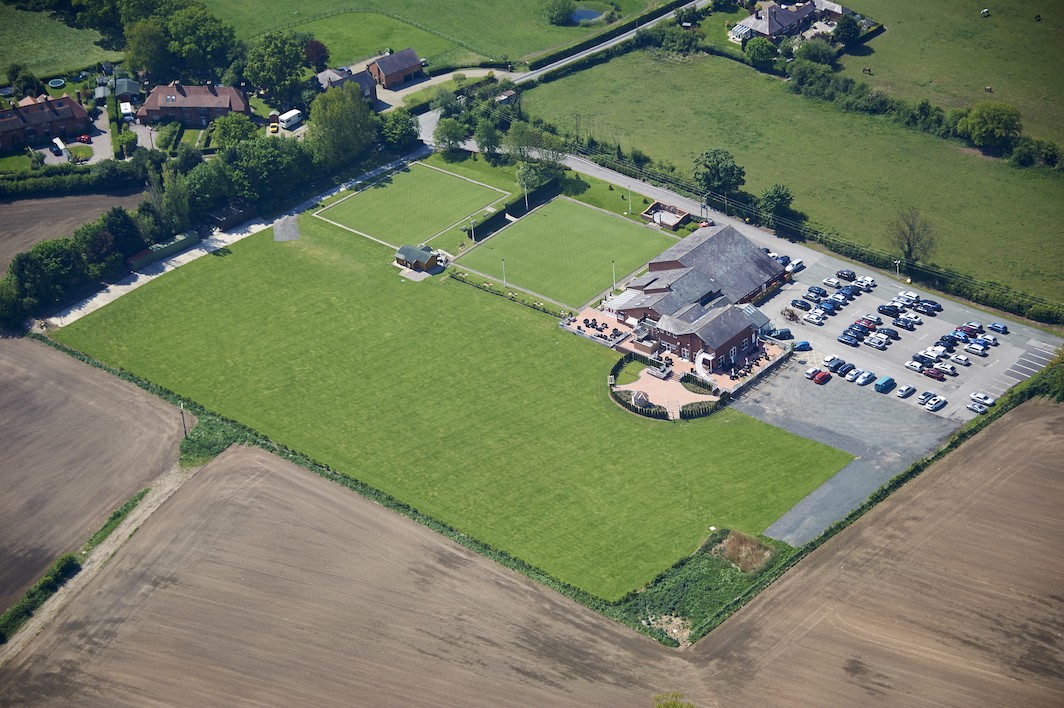

The Early Years

During the twenties and thirties Hooton was a flourishing centre for aviation and was visited by several celebrated aviators including Amy Johnson and Sir Alan Cobham with his Flying Circus. Aeroplanes and engines were manufactured at Hooton including Nick Comper’s famous record breaking Swift and the Pobjoy 7 cylinder radial aero engine.
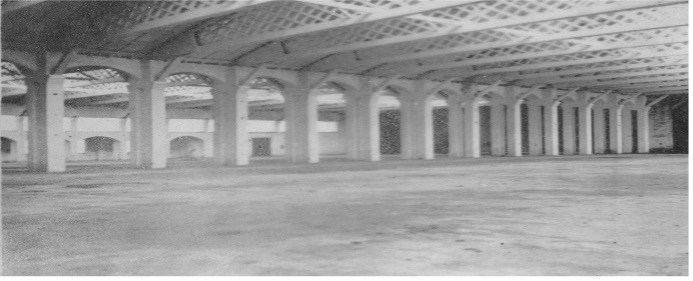
Over seventy years ago, in January 1929, a band of avid aero enthusiasts formed an aero club on the former World War 1 aerodrome at Hooton Park. This club was to grow over the next few years to be the most active flying club in Great Britain outside London, and became a national centre for light aircraft, at the time a very popular pastime. The club also ran local air races and derbies, and Hooton Park was even a staging post for the famous Kings Cup national air races of the 1930s.
The aerodrome was home for the Comper Aircraft Company, manufacturer of one of the most successful light aircraft of the time, the Comper CLA 7 Swift, and the Pobjoy Aeromotor Company, who produced one of the finest light aircraft radial engines ever made.
1939-45

On 1 January 1939, the Squadron re-mustered as a fighter unit but retained Hawker Hinds until the beginning of the war when it received Fairey Battle’s and then Hurricanes. These were soon given up in favour of Spitfires. All civil flying had now ceased, apart from de Havilland Dragon’s on army co-operation work and eighteen of Hooton’s considerable population of light aircraft were immobilised and stored under the old grandstand. All were destroyed in July 1940 in a disastrous fire.

During WW2 the station was used by Coastal Command, operating patrol flights over the Irish Sea from South Wales to Cumbria. An important function of Hooton’s war effort was the assembly and repair of RAF aircraft, undertaken by Messrs Martin Hearn Ltd founded on the site in the mid-thirties by a former wing-walker with Cobhams Flying Circus.
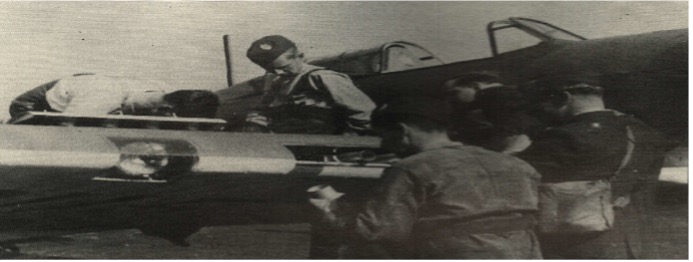
During the retreat from Dunkirk, many types of aircraft landed at Hooton Park and as soon as they touched down, each aircraft was pulled off the runway to a parking position freeing up the runway for the next aircraft to land. Examples of all type of machine were in evidence, the list including Gloster Gladiators, Walruses, Douglas C-47s (DC3s or ‘Dakotas’), Bostons, Blenheims, Swordfish to name just a few.
Post war

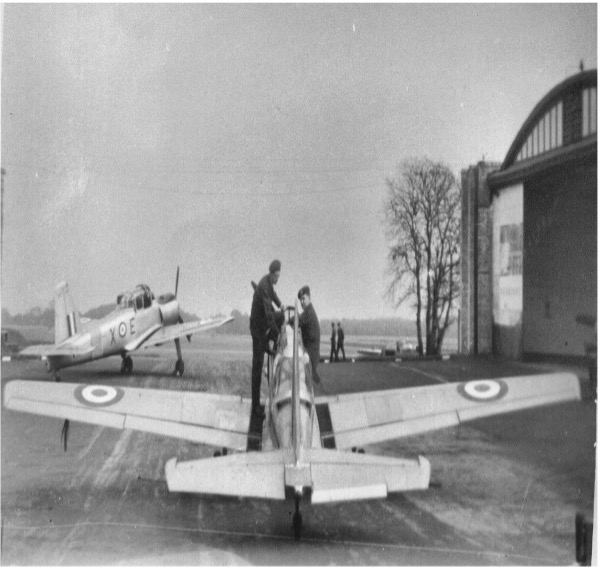
In its final years three Auxiliary Air Force Squadrons operated from Hooton including the reformed No 610 – by this time flying the Gloster Meteor jet fighter. Hooton Park finally shut its gates as an aerodrome in 1957, and in 1962, was purchased by Vauxhall Motors.
The last aircraft to use the site was in 1988, during the “Wheels” show, when two Harriers landed on part of the old runway prior to their display. The organisers of this event and for other such events went on to form the Griffin Trust who moved onto the huge site in 1990.
 Hooton Park Lodge No. 8156